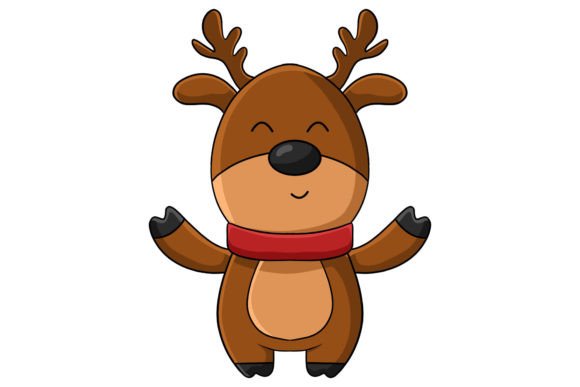
Review: Christmas Happy Deer Character for Holiday Stitching
As a designer who spends more time staring at stitch maps than most people spend on their phones, I approach every new machine embroidery design with a mix of excitement and skepticism. We've all been there: you buy a cute graphic online, load it onto your machine, and halfway through the run, you realize the density is going to turn your fabric into cardboard or the details are too fine for the thread weight you're using. That's why I took a close look at the Christmas Happy Deer Character before committing it to a client project. This isn't just about whether it looks cute on a screen; it's about how it performs as a physical embroidery project in the real world.
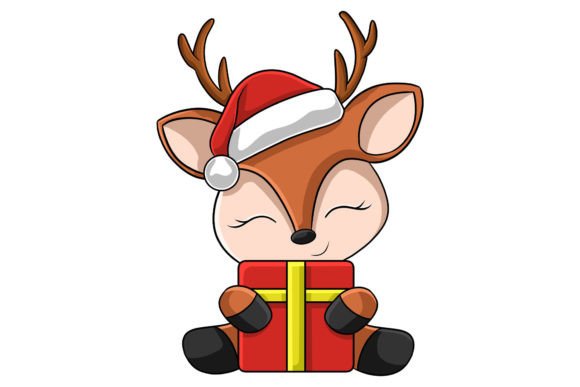
My first impression of this design is that it captures that specific whimsical mood we all chase during the holiday season. It falls squarely into the Illustrations category, meaning it relies heavily on character personality rather than rigid geometric patterns. The layout feels balanced, with a visual personality that screams "handmade warmth." When I zoomed in on the digital preview, I was looking for potential trouble spots—tiny isolated islands of stitching, overly dense fill areas, or running stitches that might gap on stretchy fabric. The Christmas Happy Deer Character seems to handle these well, offering a blend of satin stitch outlines and thoughtful fill stitch regions that suggest it will hold up nicely without becoming too stiff.
Putting the Design to the Test: A Real-World Scenario
To truly evaluate this file, I imagined a specific use case that many of us face in December: a rush order for custom holiday tote bags and matching sweatshirts for a local boutique. The client wanted something cheerful but professional, avoiding the cheap look of mass-produced transfers. I visualized the Christmas Happy Deer Character centered on a heavy canvas tote and then again on the chest of a fleece-lined sweatshirt.
On the tote bag, the design's lines appeared crisp. The contrast between the thread colors and the natural canvas background would likely make the deer pop, creating an immediate focal point. For the sweatshirt embroidery, the situation is slightly different. Fleece and cotton blends have a bit of give, so the stitch density becomes critical. If the design is too dense, the fabric puckers; too light, and the backing shows through. Based on the visual structure of this character, it looks like it has enough open space to breathe on textured fabrics while maintaining enough coverage to look solid. This versatility makes it a strong candidate for custom apparel where comfort is just as important as aesthetics.
Versatility Across Products and Markets
One of the biggest questions for any Etsy seller or craft business owner is: "Where else can I use this?" The Christmas Happy Deer Character feels adaptable. Beyond apparel, I could easily see this working as an embroidered patch. If you digitize a border around it or use a merrow edge finish, it becomes a standalone accessory that customers love. It would also shine on home goods like pillow covers or kitchen tea towels, adding a touch of seasonal charm without overwhelming the item.
For those selling digital embroidery files or finished goods, the appeal lies in the emotional connection. Holiday gifts need to feel personal. Whether it's a baby embroidery project for a onesie or a decorative accent on a holiday apron, this design carries a friendly vibe that builds customer trust. It doesn't look generic; it looks like a deliberate choice made by a maker who cares about quality. This level of professionalism helps justify higher price points for your handmade product listings.
Technical Considerations and Fabric Challenges
However, no design is perfect for every situation, and practical judgment is key. There are scenarios where you need to proceed with caution when using the Christmas Happy Deer Character. If you are working with very small hoop sizes, ensure that the intricate details of the deer's face or antlers don't get lost. Tiny lettering or minute decorative accents within the illustration might need adjustment if you are scaling the design down significantly.
Fabric texture plays a massive role here. On dark fabrics, you must check your thread color contrast carefully. A dark green thread on a navy sweatshirt might look muddy once stitched. I always recommend running a test on scrap fabric that matches your final material. This is especially true for stretchy fabrics or curved surfaces like caps. Embroidering on a cap requires a different approach than flat stitching; the curvature can distort the image if the pull compensation isn't handled correctly in the original digitizing. While this design looks robust, always verify how the stitch density interacts with the specific fabric texture you are using.
Additionally, consider the end-user experience. If this design is going onto a product that needs frequent washing, like a child's bib or a kitchen towel, inspect the dense stitch areas. High-density fills can sometimes crack or cause the fabric to tear over time if not stabilized properly. Using the right stabilizer—perhaps a cut-away for stretchy garments or a tear-away for stable wovens—is non-negotiable for ensuring the longevity of the finished product.
Designer Notes for Commercial Success
Before you start churning out inventory or listing this as a design asset in your shop, here are my practical notes for maximizing its potential:
- Test First: Always stitch out the design on a scrap piece of your actual production fabric. Check for puckering, thread breaks, or registration issues.
- Color Contrast: Don't rely solely on the suggested thread chart. Experiment with different thread colors to see what works best against your specific material, especially for black-and-white mockups.
- Hoop Size Verification: Confirm that the design fits comfortably within your available hoop size without needing to re-hoop, which can lead to alignment errors.
- Detail Inspection: Zoom in on the smallest elements. If certain running stitches look too sparse, you may need to adjust your machine tension or switch to a finer thread.
- Licensing Check: This is crucial for commercial use. Before selling items featuring the Christmas Happy Deer Character or distributing the embroidery file itself, confirm the licensing terms. Some designers allow unlimited sales of finished physical goods but restrict the resale of the digital file.
In the world of commercial embroidery, consistency is everything. Your brand reputation depends on every stitch looking intentional and high-quality. The Christmas Happy Deer Character offers a charming aesthetic that fits well within the current trend of cozy, illustrated holiday motifs. However, its success in your shop ultimately depends on your execution. By respecting the technical limitations of your materials and taking the time to test and refine your process, you can turn this digital illustration into a standout personalized gift or a best-selling item in your small shop product lineup.
Whether you are creating a single tote bag design for a friend or gearing up for a full season of holiday embroidery orders, this character has the potential to be a reliable workhorse in your library. Just remember: the screen is only half the battle. The real magic happens when the needle hits the fabric, and with the right preparation, this deer can help you deliver results that keep customers coming back year after year.