Vintage Snowmen Christmas Cards: Festive Illustrations
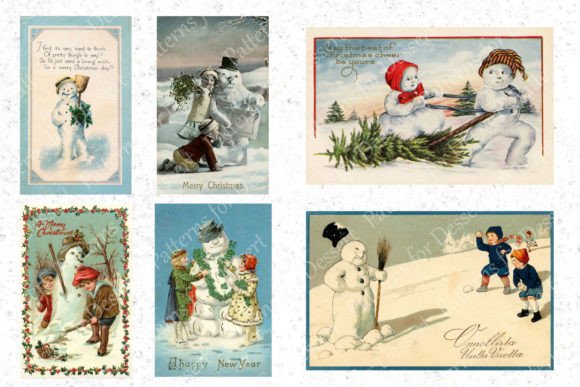
As a brand designer who spends most of the year refining identities for local bakeries, boutique skincare lines, and handmade goods sellers, I approach seasonal assets with a critical eye. It is not enough for a graphic to be cute; it must carry weight in a brand identity system. When I first opened the files for Vintage Snowmen Christmas New Year Cards, my immediate impression was one of nostalgic warmth. These are not the glossy, hyper-modern vectors we often see; they possess a textured, hand-drawn quality that suggests heritage and craftsmanship. For a local business looking to connect emotionally during the holidays, this mood is invaluable. The aesthetic leans heavily into "rustic festive," making it an ideal fit for organic food brands, artisanal candle makers, or children's product lines that want to evoke a sense of timeless family tradition.
Transforming Seasonal Graphics into Cohesive Brand Assets
The true test of any graphic design asset is its versatility across different touchpoints. In a recent project for a small-batch cookie company, I evaluated how these snowman illustrations could extend beyond a simple greeting card. The potential here is significant. Because the style feels slightly worn and authentic, it works exceptionally well for packaging design accents. Imagine these snowmen printed on kraft paper boxes as a primary visual element, or used as a decorative border on a product label for limited-edition holiday peppermint bark. The character of the snowmen adds a layer of personality that generic clipart simply cannot achieve.
Beyond physical packaging, these Illustrations serve as powerful tools for social media graphics and digital marketing. A local florist could use these images to create a series of Instagram stories announcing their winter arrangement collection, instantly signaling a shift in season while maintaining brand consistency. They are equally effective for printable inserts, such as thank-you cards tucked into shipping boxes, which are crucial for building customer loyalty in the handmade business sector. By integrating these visuals into hang tags or price lists, a boutique owner can create a unified visual experience that feels thoughtful and curated rather than mass-produced.
Elevating Product Presentation and Shelf Appeal
In the crowded marketplace of holiday retail, small business branding relies heavily on immediate visual recognition. Using Vintage Snowmen Christmas New Year Cards as a core component of a seasonal campaign can drastically improve shelf appeal. When a customer scans a shelf of competing products, the unique texture and charming imperfections of these vintage-style snowmen draw the eye more effectively than sterile, corporate imagery. This supports a stronger first impression and fosters a clearer visual hierarchy on the package, guiding the consumer's gaze from the brand logo to the seasonal motif and finally to the product details.
Furthermore, these assets contribute to a more professional packaging presentation. There is a psychological trigger in vintage aesthetics that suggests quality and care. For a coffee shop launching a winter blend, applying these graphics to their cup sleeves or menu boards signals that they pay attention to detail. This attention to detail translates directly into improved customer trust. When the marketing visuals look polished and intentional, the consumer assumes the product inside is of equal quality. It creates a stronger emotional connection, reminding customers of cozy winters past and positioning the brand as a comforting presence in their lives.
Strategic Placement and Design Limitations
While these assets are versatile, a professional designer knows that context is everything. These snowman illustrations work best when given room to breathe. They shine as hero graphics on website banners, as decorative elements on boutique visuals, or as the focal point of seasonal packaging. However, caution is required. I would advise against using them in formal corporate branding contexts where a sleek, minimalist image is required. Additionally, they should be used carefully on very small labels where intricate details might get lost during the printing process. If a product label is already crowded with ingredient lists or legal information, adding a complex illustration can create visual noise that confuses the customer.
It is also important to consider color contrast. These vintage styles often rely on muted palettes. Placing them on low-contrast backgrounds can render them invisible. For luxury minimalist brands that rely on vast white space and thin typography, these playful, textured snowmen might compete too aggressively with the desired aesthetic of understated elegance. The goal is to enhance the brand message, not to let the decoration overpower the essential text or the product itself.
Practical Notes for Commercial Implementation
Before integrating Vintage Snowmen Christmas New Year Cards into a client project, there are several technical steps I always take. First, I test the asset on real product mockup files to see how the textures translate to different materials like matte paper, glossy stickers, or fabric tags. It is vital to check the black and white usage, as many local businesses print promotional flyers in monochrome to save costs. Previewing the design on small labels ensures legibility remains intact at reduced sizes.
Typography pairing is another critical consideration. These illustrations pair beautifully with serif fonts that echo the vintage era, as well as handwritten or script fonts that reinforce the handmade feel. However, one must test them beside bold sans serif and display font styles to ensure the combination doesn't feel disjointed. From a technical file perspective, inspecting the PNG transparency is essential for layering over colored backgrounds, while checking SVG or vector editability allows for color adjustments to match specific brand guidelines. Finally, and perhaps most importantly, always confirm the commercial license. Whether you are creating a digital product, a Canva template for resale, or physical goods for a creative marketplace, understanding the licensing terms ensures your commercial design work remains legally sound and professional.